
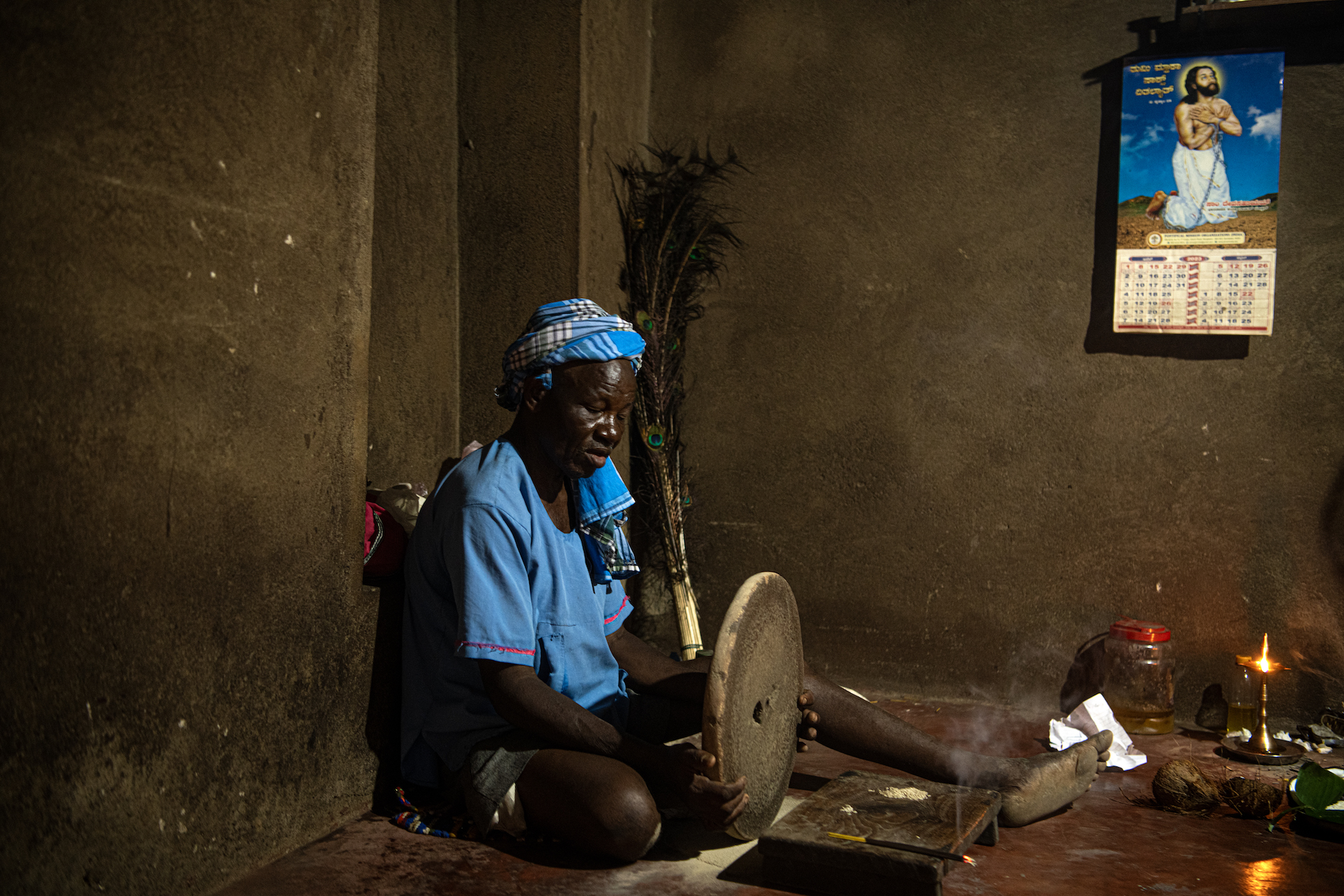
The Siddis are a community that are distributed across different regions in India – in Gujarat, Karnataka and Telangana. While there is consensus that the Siddis arrived in India from the east African coast, historians continue to search for evidence about the specific time period of their travels. Scattered references in travelogues suggests that the first Siddis arrived in what is referred to today as the western coast of India as early as the 8th century. Archival sources suggest that the trade in slaves from Africa gathered momentum in the time of colonialism. Slavery was consolidated in India by the dominance of the Portuguese in the sixteenth century. Historians studying the slave trade between east Africa and India have benefited from studying the Portuguese archives in Lisbon. However, since most historians studying India’s past tend to explore archives in the English language, we have more understanding of slavery in the time of British Colonialism in India.
On 29 December 1835,”, Gunja SenGupta and Awam Amkpa note that “a woman of African descent, represented in a colonial police magistrate’s register as “Marianah,” aged fifteen years, arrived in Bombay on the East India Company’s brig Thetis.” (Sojourners, Sultans, and Slaves, p.172).
“By the colonial era, Africans had also joined a multinational cast of young chattels incorporated by Arab and South Asian masters into hierarchical communities as artisans, domestics, concubines, and secondary wives. It was however, changes wrought by the quickening pace of global economic integration and western imperialism in the late eighteenth and nineteenth centuries that most directly influenced the experiences of Marianah’s cohort of captives in motion and likely produced the communities whose “Sidi” descendants now live in modern-day Indian locales in Gujarat, Hyderabad, and Uttar Kannada.” (SSS, p.179).
This collaboration with visual artist and photographer Biju Ibrahim and anthropologist George Jose seeks to focus our attention on the ‘politics of representation’ of the Siddi community in India today. This project is especially timely and relevant given the racist categories and its associated inequalities that colour our understanding of the Siddis.
From at least the beginning of independence we have a record of problem-ridden understandings of this community. A pervasive essentialization of the Siddis, in specifically racist terms, is evident in state-sponsored initiatives – for instance, the Sports Authority of India (SAI)’s special project in the late 1980s to produce ‘world-class’ athletes from among the Siddis, given the ‘African genetic predisposition’ to doing will in ‘track and field’ events. While the Indian state struggles to develop interventions that would ‘alleviate the plight’ of the community, we also witness attempts by artists and scholars to address the Siddis and build meaningful engagements with the community.
We will spotlight a series of interventions that will contribute towards a reframing of the debate around notions of identity, migration and belonging by moving away from an obsession with ‘origins’ and a sedentary metaphysics (Malkki, 1984)
On Sunday, February 19, 1984, Ninasam Janaspandana, a theater repertory based in Heggodu,
a small town in Karnataka, south India, premiered ಕಪ್ಪು ಜನರು ಕ ೆಂಪ್ಪ ನ ರಳು “Black Nation
(People), Red Shadow.” This theater production was improvised by Chidambara Rao Jambe using a script adapted from Chinua Achebe’s ‘Things Fall Apart’ by K V Subbanna, the founder- director of Ninasam.
In his travels in the early 1980s across hilly tracts of the Sahyadri in the west coast of India Subbanna was startled to come across a people that had distinctive ‘African’ features. The Sidis, he was soon to discover were indeed a ‘mobile society’ having traveled (forcibly displaced and enslaved?) variously, from the horn of Africa and southeast Africa to the western coast of India from before Dutch and Portuguese colonialism yoked the Swahili coast of east Africa firmly to the Makrani, Gujarati, and Konkani coasts in present-day Pakistan and India.
This project will assemble a multi-disciplinary frame to explore distinct dimensions of the old ‘Africa in Asia’ conundrum. Moving beyond the ‘placeness of identity’, this project will propose an alternative to the territorial anchorage of culture, and suggest pathways away from the insistent yet unproductive obsession with ‘origins’ that has characterized the study of culture contact and its historical antecedents.